Fiber Optic Light Painting Self-Portrait
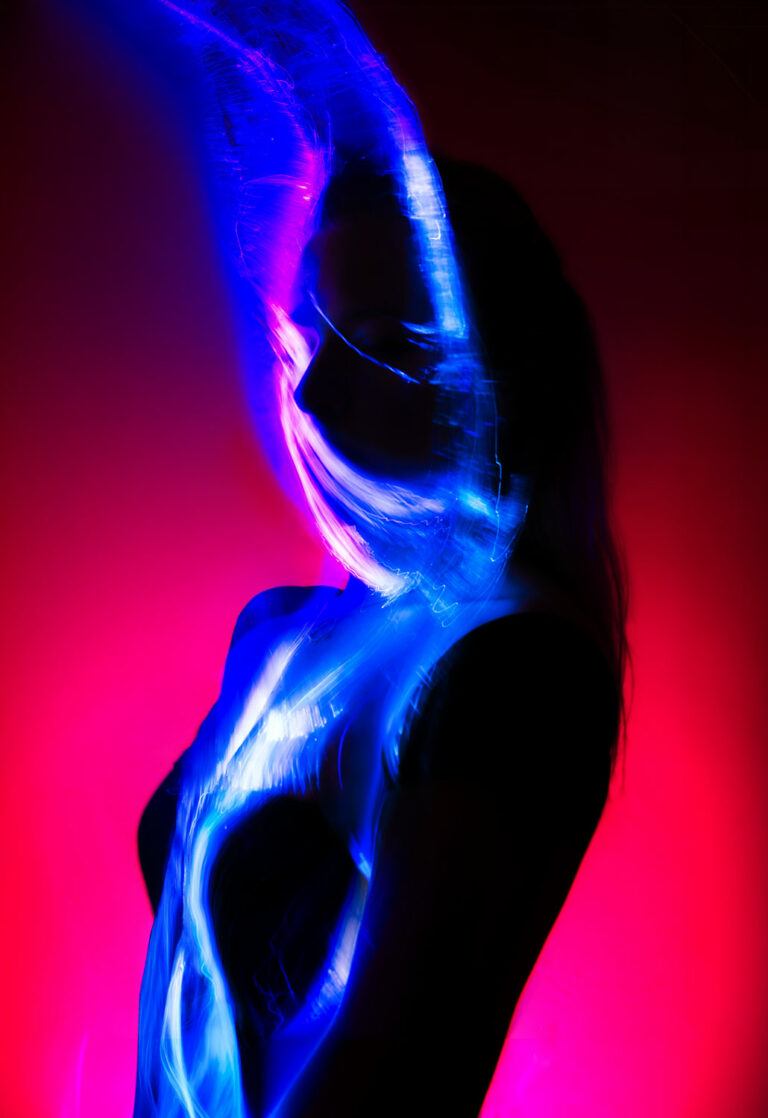
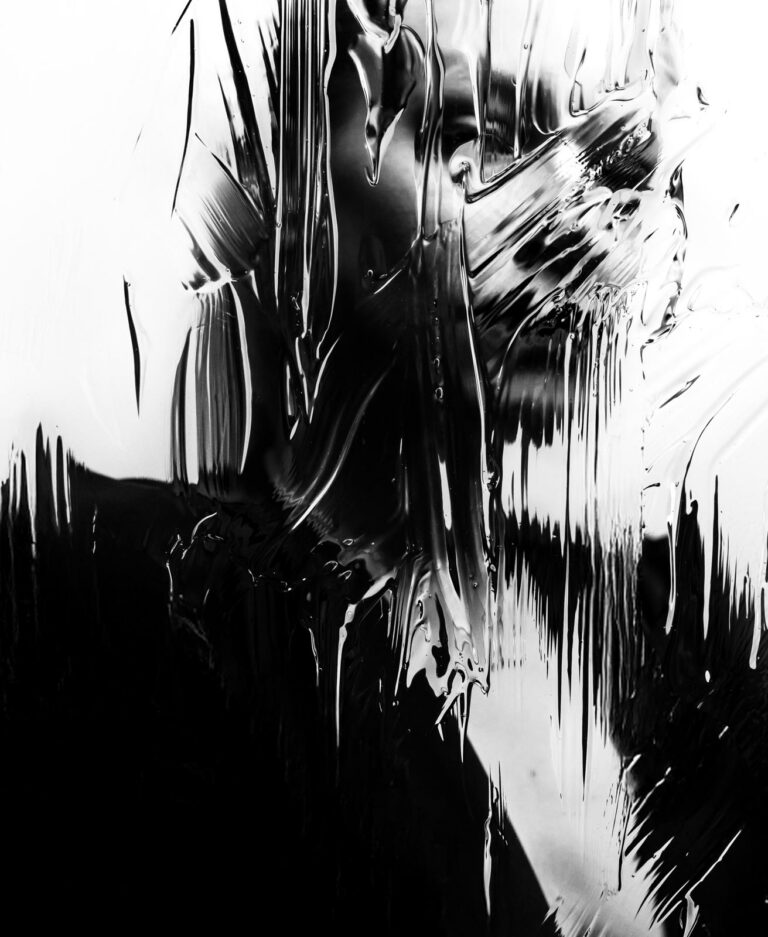
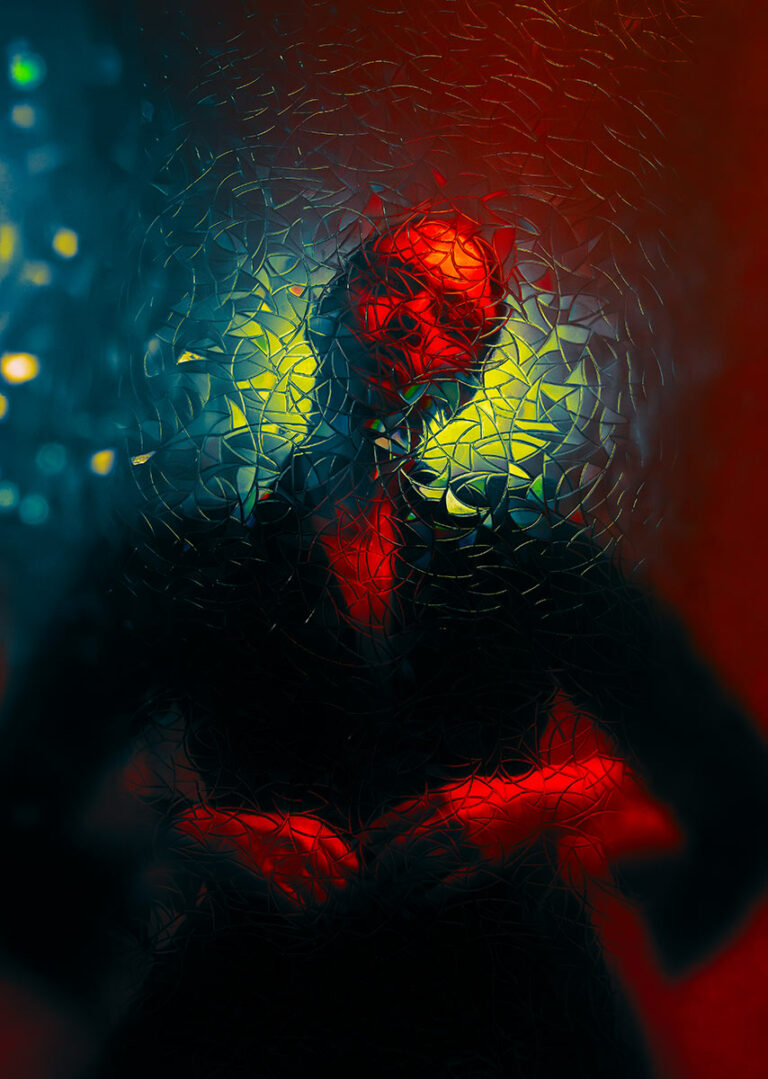
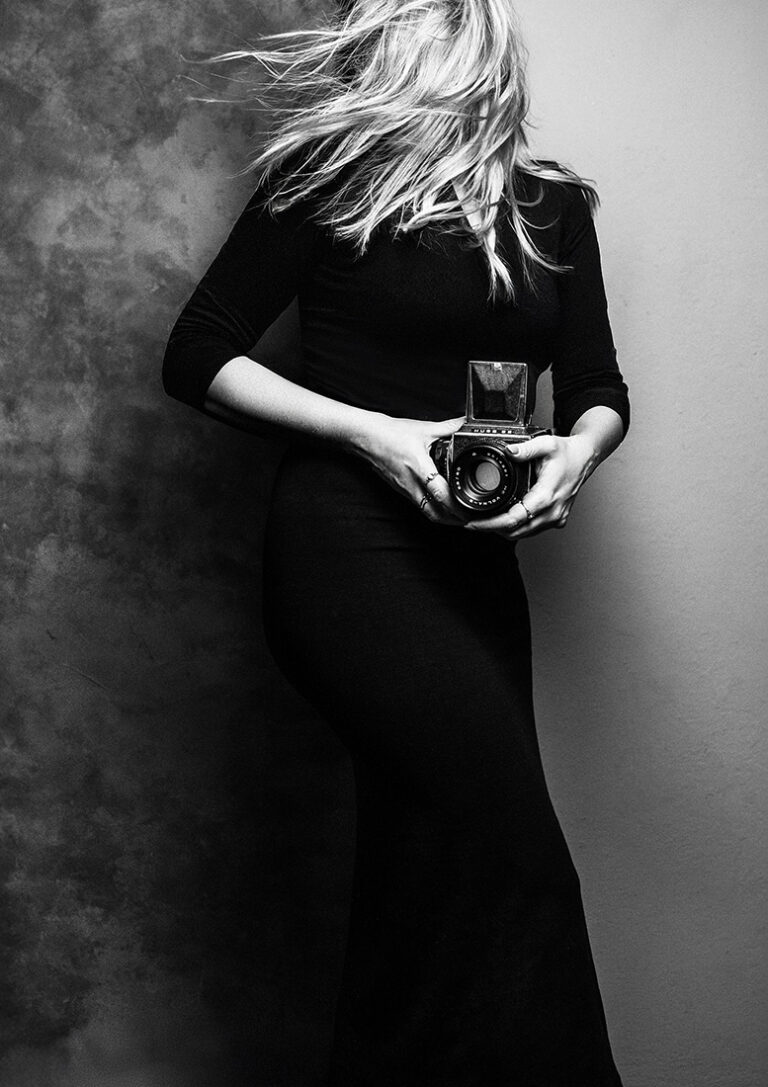
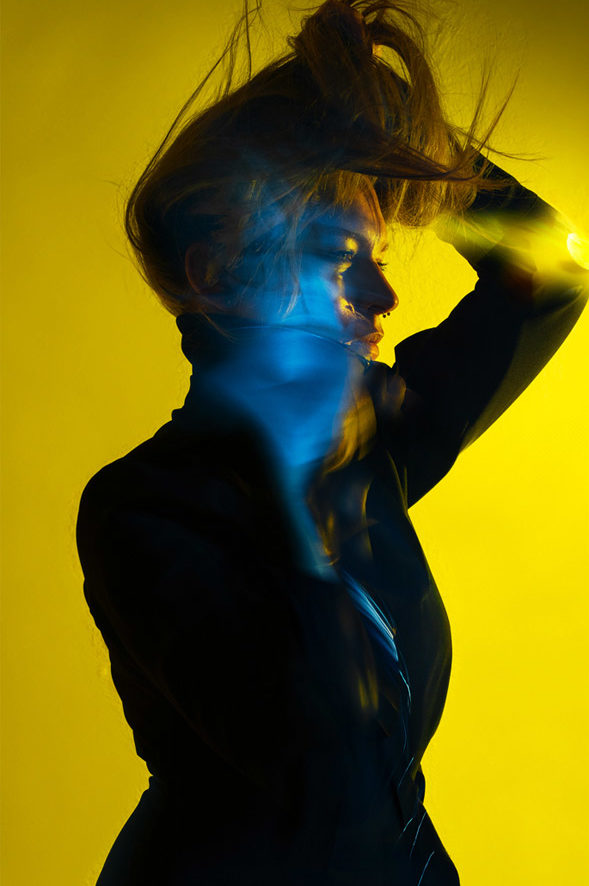
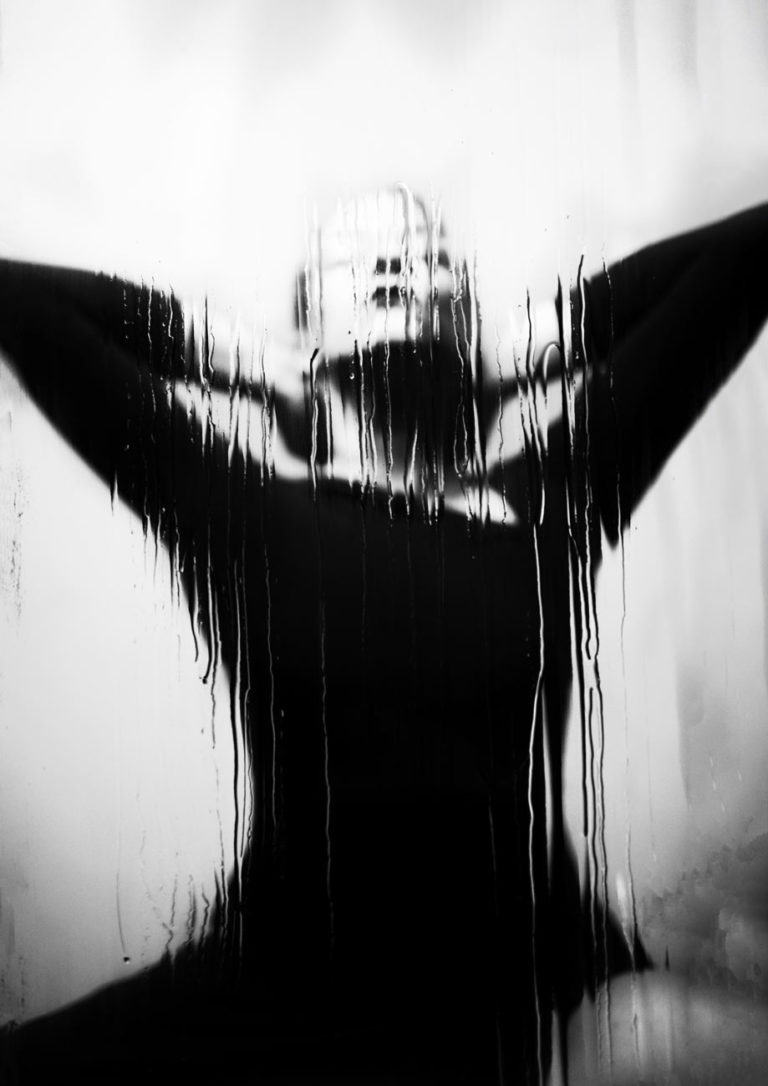
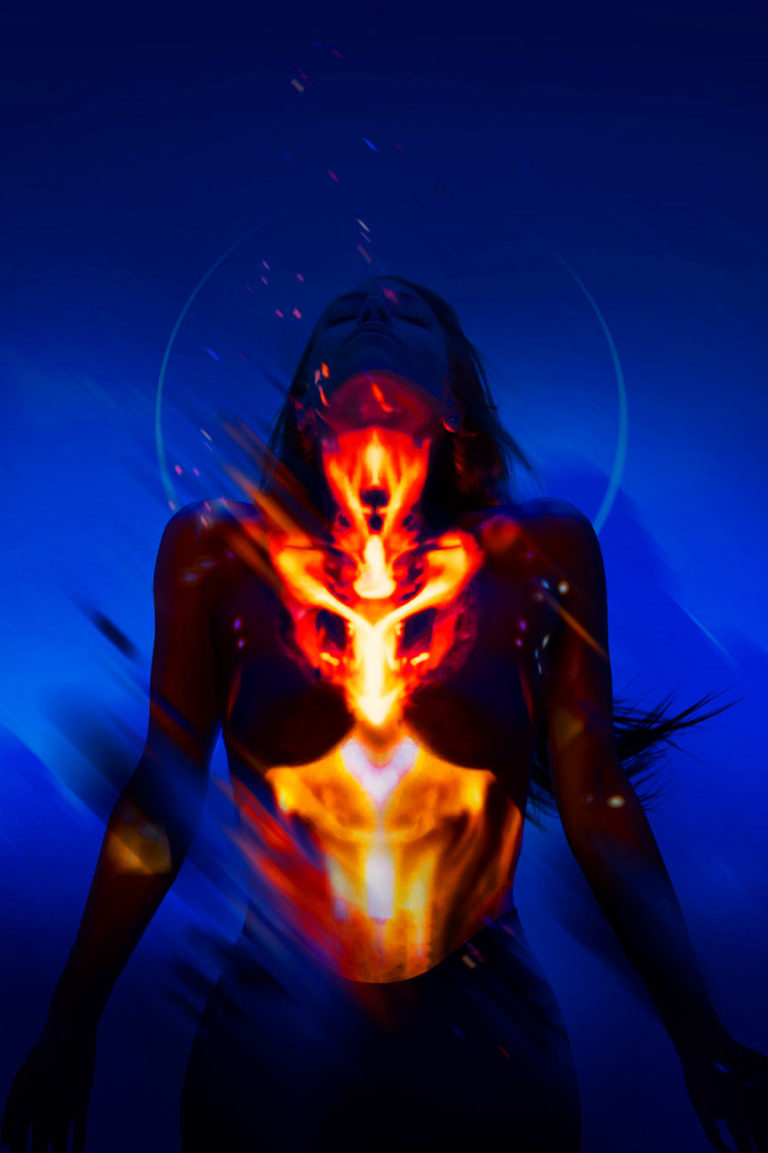
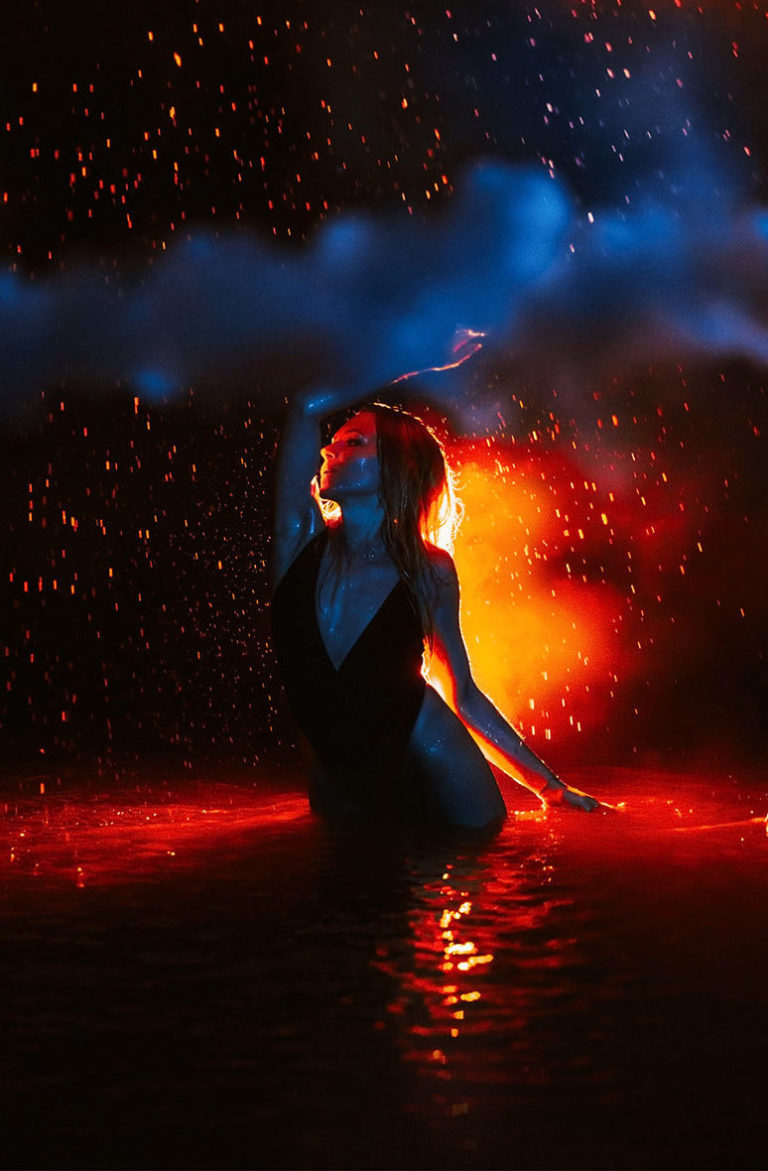
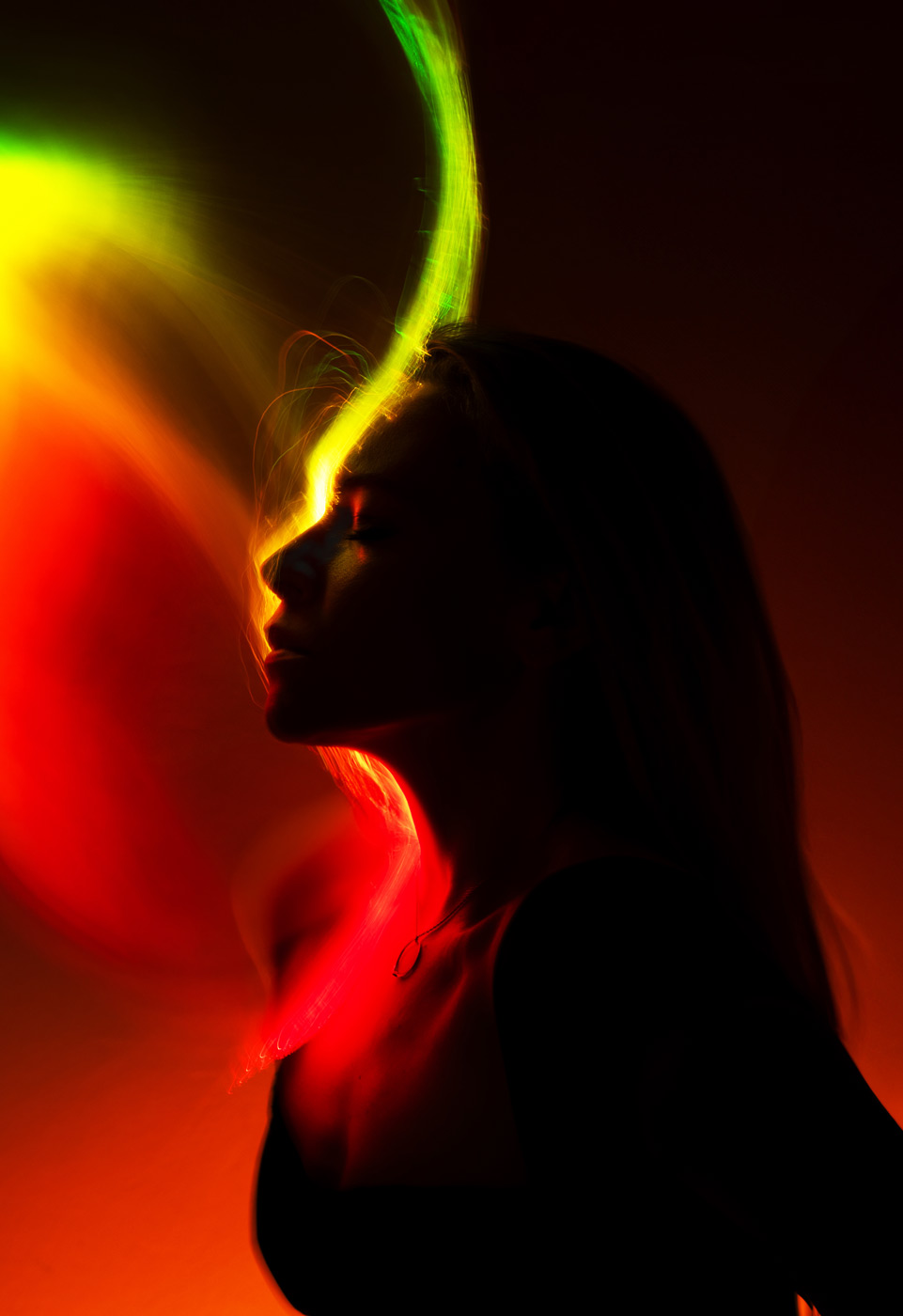
This self-portrait series explores fiber optic light painting through long exposure photography. Using a fiber optic lamp, shifting color and controlled ambient light, I created luminous forms directly that move between portraiture, abstraction, and atmosphere. What makes these images more complex is that they were created as self-portraits, meaning the light movement and the pose had to be performed at the same time.
05.04.2026 by Sabine Fischer / sabinefey
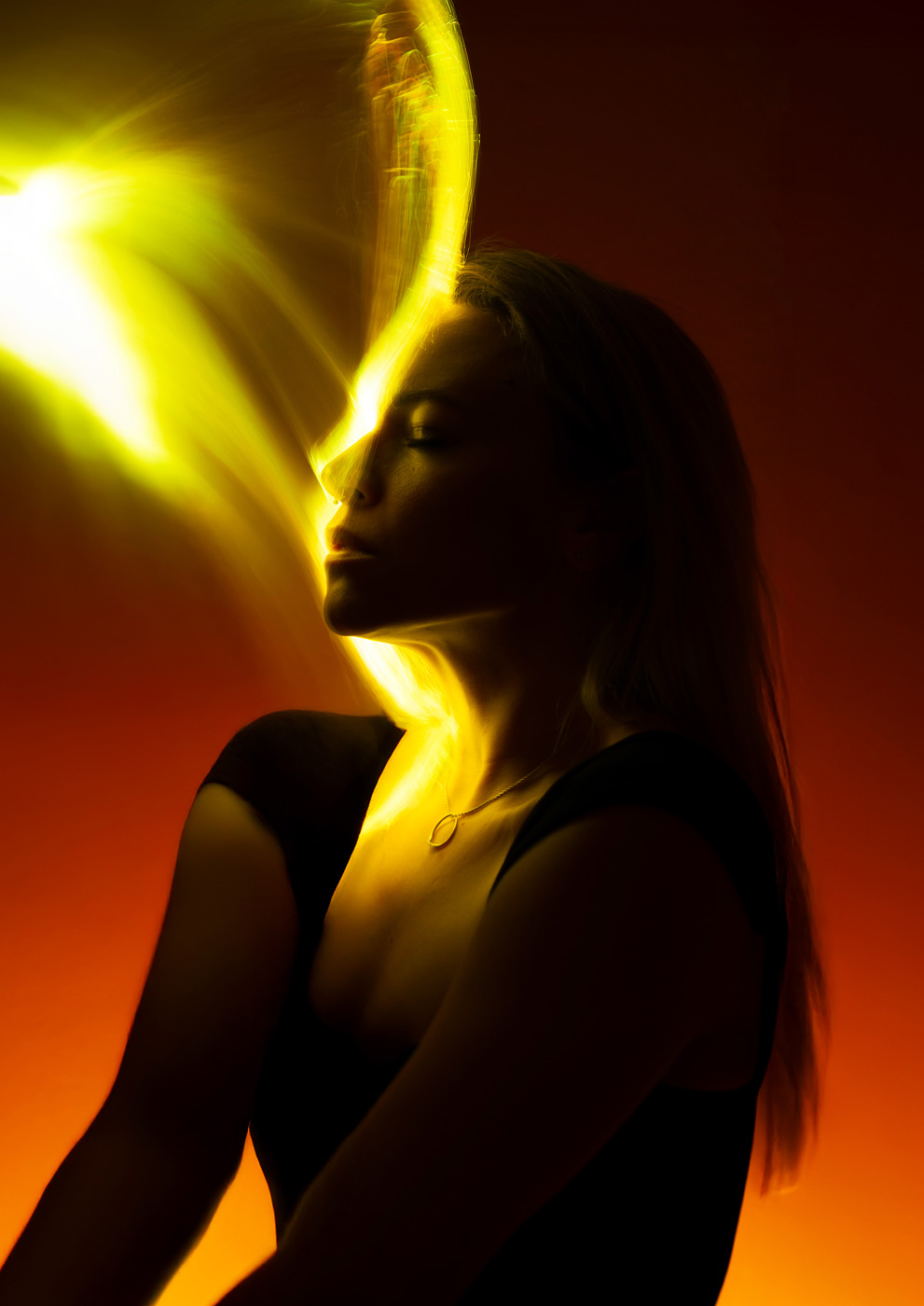
Fiber Optic Light Painting in Self-Portrait Photography
For this self-portrait I used a fiber optic lamp during a long exposure to shape light directly around the face and body. Fiber optics create softer, more fluid trails that can feel almost sculptural in the final image. For a self-portrait, this images required a careful balance between pose, timing and light.
In this series I also worked with changing colors rather than a static single-color fiber optic lamp. Combined with subtle ambient background light, this helped create images that feel less isolated against black and more atmospheric within the frame.
Technical Details
Medium: Digital photography
Process: Long Exposure
Edition: Limited fine art prints available
Year: 2024
The Challenge of Using Fiber Optic Light Painting in Self-Portraits
Creating fiber optic light painting as a self-portrait is much more demanding than doing the same technique with another person in front of the camera. When working alone, I am not only the subject, but also the one moving the light source during the exposure. That means I have to balance pose, timing, stillness and movement at the same time.
Even small movements can change the result. When the fiber optic lamp is moved close to the face or body, the motion of the arm can easily transfer into the pose itself, causing slight shifts in the head, shoulders or expression. In self-portrait work, this can lead to an additional editing step, because traces of arm movement or hand position may still remain visible in the frame. In those cases retouching can help bring the photograph into a clearer visual form without weakening its atmosphere.
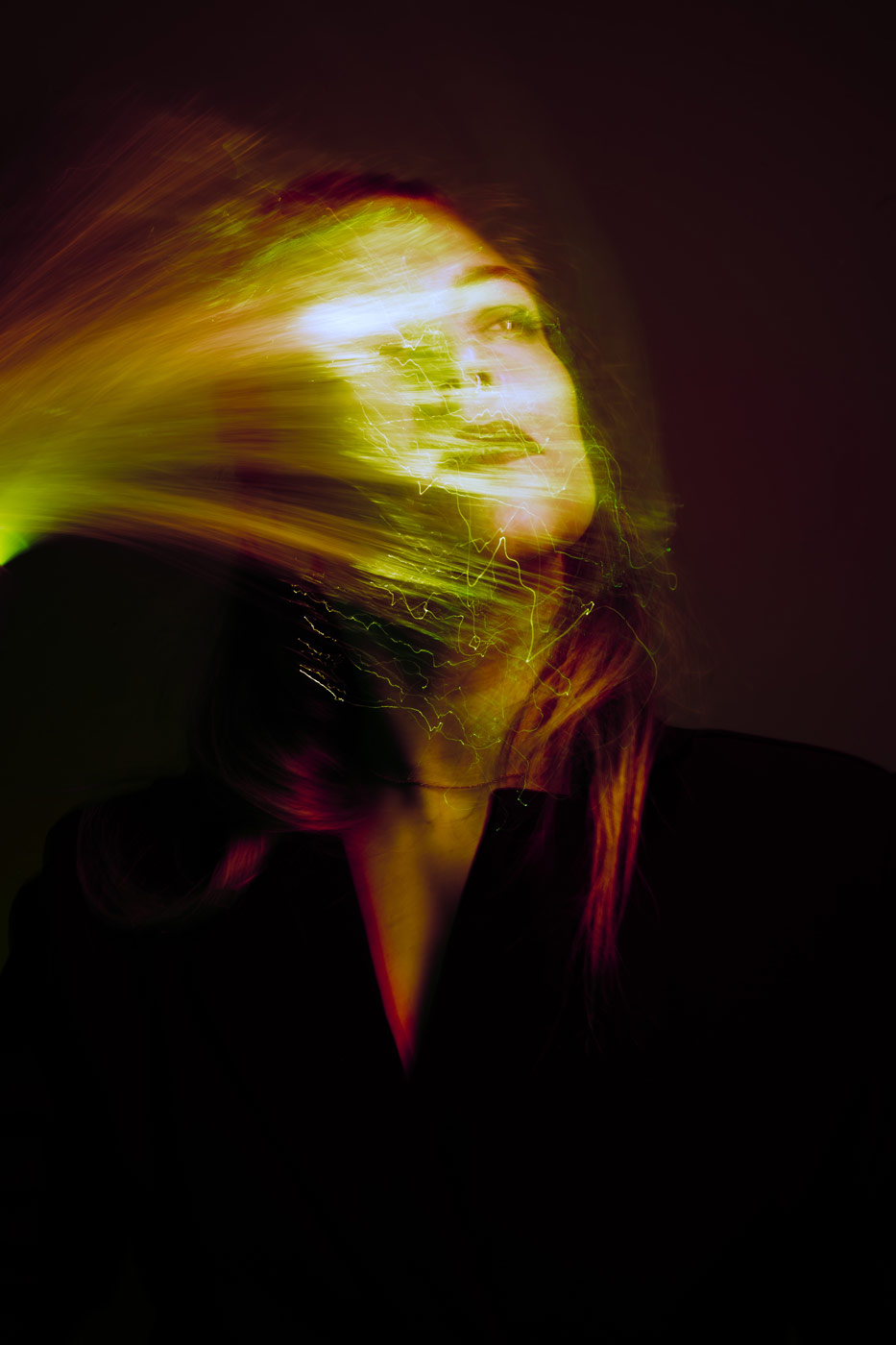
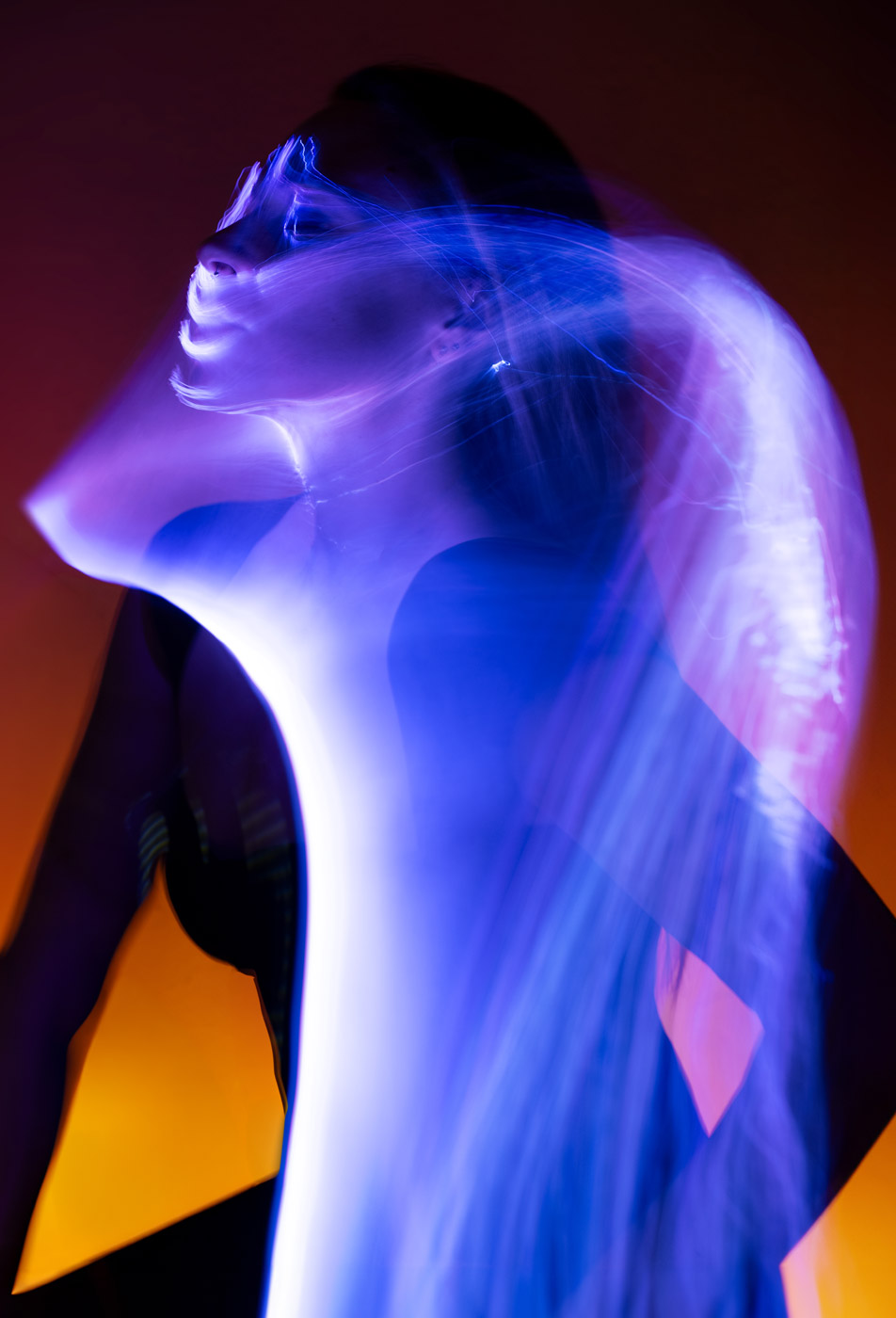
The Right Balance Between Exposure Time and Movement
An important part of this process was finding the right balance between exposure time and movement. In light painting, exposure time alone says very little. What matters more is the relationship between shutter speed, duration of the movement, speed of the movement and the visual intention behind the photo.
Because these photographs were created as self-portraits, I was not only moving the fiber optic lamp, but also trying to remain still and hold the pose at the same time. In my experiments with this technique so far, shorter exposure times between 2 and 5 seconds felt more practical, bcause the less time I had to stay completely still while performing the movement, the better the process worked in my case. What mattered was finding a timing that supported both the pose and the movement.
It is also worth noting that much longer exposures are often used when light painting with another person or model. In that context, 30 seconds or even several minutes can be completely reasonable, because the photographer has more time to shape the light around the subject.
Changing Colors vs. Static Fiber Optic Lamps
Not every fiber optic lamp works in the same way because some lamps stay in one fixed color whilest many others continuously shift through different colors during the exposure. That difference has a strong effect on the final image and is worth paying attention to before buying one.
In this series I worked with a changing color fiber optic lamp rather than a static single-color version. For me this made the process less predictable but also much more interesting visually. As the color changes during the movement, subtle color transitions could appear within the same exposure, for example: one part of the light trail might still be blue while another area had already shifted toward violet. This can create more layered and experimental result than a lamp that stays in only one color throughout the exposure.
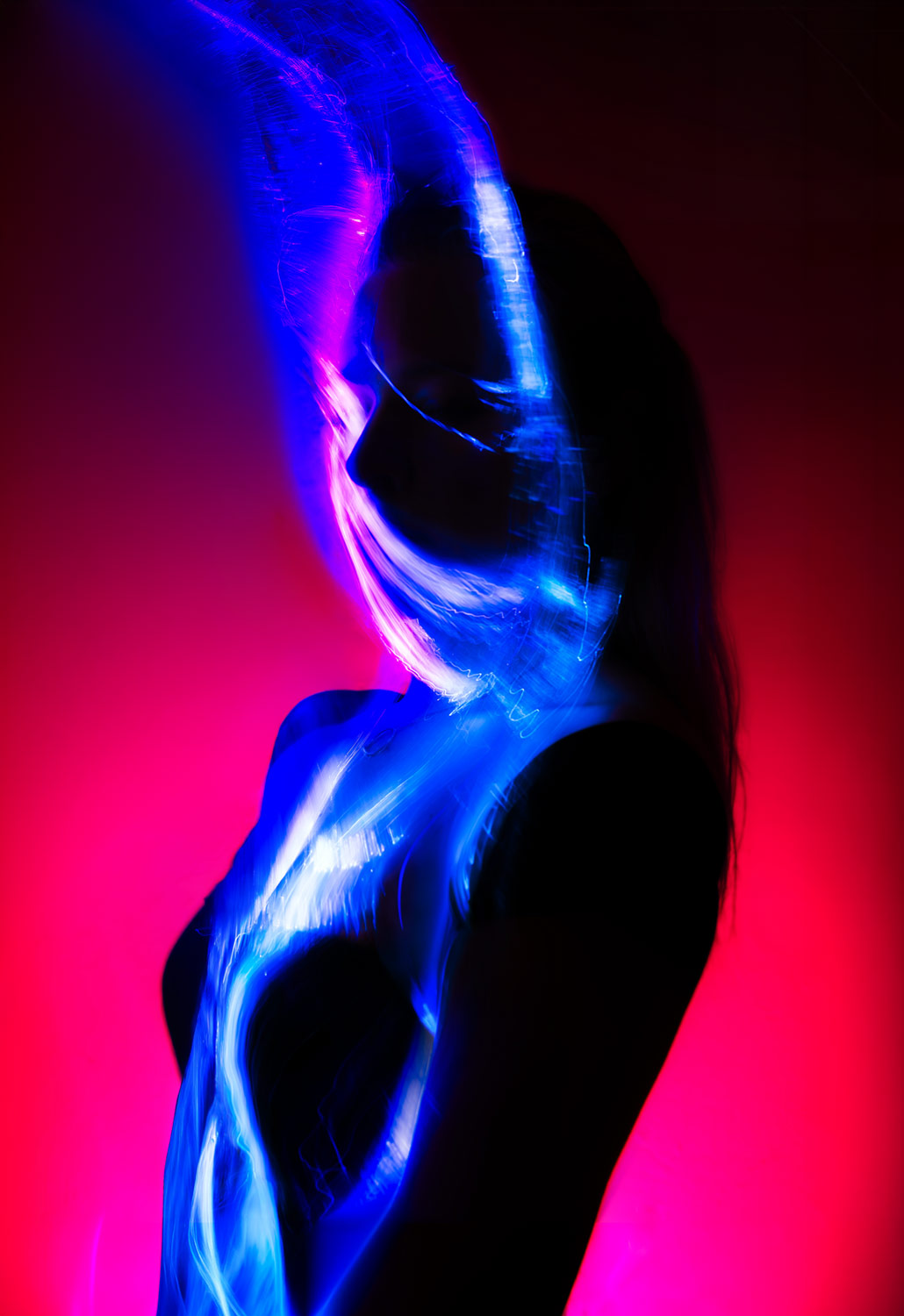
Quick Tips for Fiber Optic Light Painting
- Fiber Optic Lamp Type: Check before buying whether the lamp stays in one color or changes colors automatically, as this will strongly influence the look of the final photo.
- Tripod: Essential. A stable camera is the basis of every long exposure.
- Focus: Use manual focus (MF) and focus on the subject before starting the exposure. If you are photographing yourself, place an object where you will be sitting or standing and make sure it is at the same height as your face, so you can set focus accurately in advance.
- ISO: Keep it low, usually around ISO 100 or 200, to reduce noise and the risk of overexposure.
- Aperture: An aperture such as f/5.6 to f/11 often works well, but also depends on shutter speed, light intensity and movement.
- Shutter Speed: I recommend 2 seconds or more. From there, the right exposure can vary widely depend on what you want to light paint and how much time the painting requires
- Timer, interval or Remote Release: Musthave for avoiding camera shake and giving yourself time to get into position. Also when light painting another person.
- Ambient Light: Keep the background light subtle to add atmosphere.
- Movement: The speed and distance of the movement matter as much as the camera settings. Slower movement or repeated passes can make the light trails feel softer or less defined.
- Test Shots: Expect some trial and error. Small changes in timing, movement or light position can change the result significantly.
Ambient Light in Fiber Optic Self-Portraits
The room did not have to be completely dark for these images to work. A subtle background light helped me create a softer atmosphere and prevented the frame from falling into pure black outside the fiber optic movement. With longer exposures, even a faint ambient source in the background can produce gentle color transitions that add depth and make the image feel more spatial.
For me this was also important for the overall balance of the photograph. A completely black background can isolate the subject very strongly, while a controlled amount of ambient light allows the image to feel more open and atmospheric. The surrounding light became part of the final mood of the frame.
Final Thoughts
What I find most interesting about fiber optic light painting is that it never feels fully repeatable. The final image depends on a delicate balance between exposure, movement, color(s), control and editing but also on chance. In self-portrait photography that makes this process even more demanding and more creative at the same time. I created these photos through experimentation, adjustment and by letting the light behave in unexpected ways.
For anyone who wants to try this, that is perhaps the most important thing to know: the process becomes far more interesting once you stop expecting a fixed formula.
With light and curiosity,

About the artist
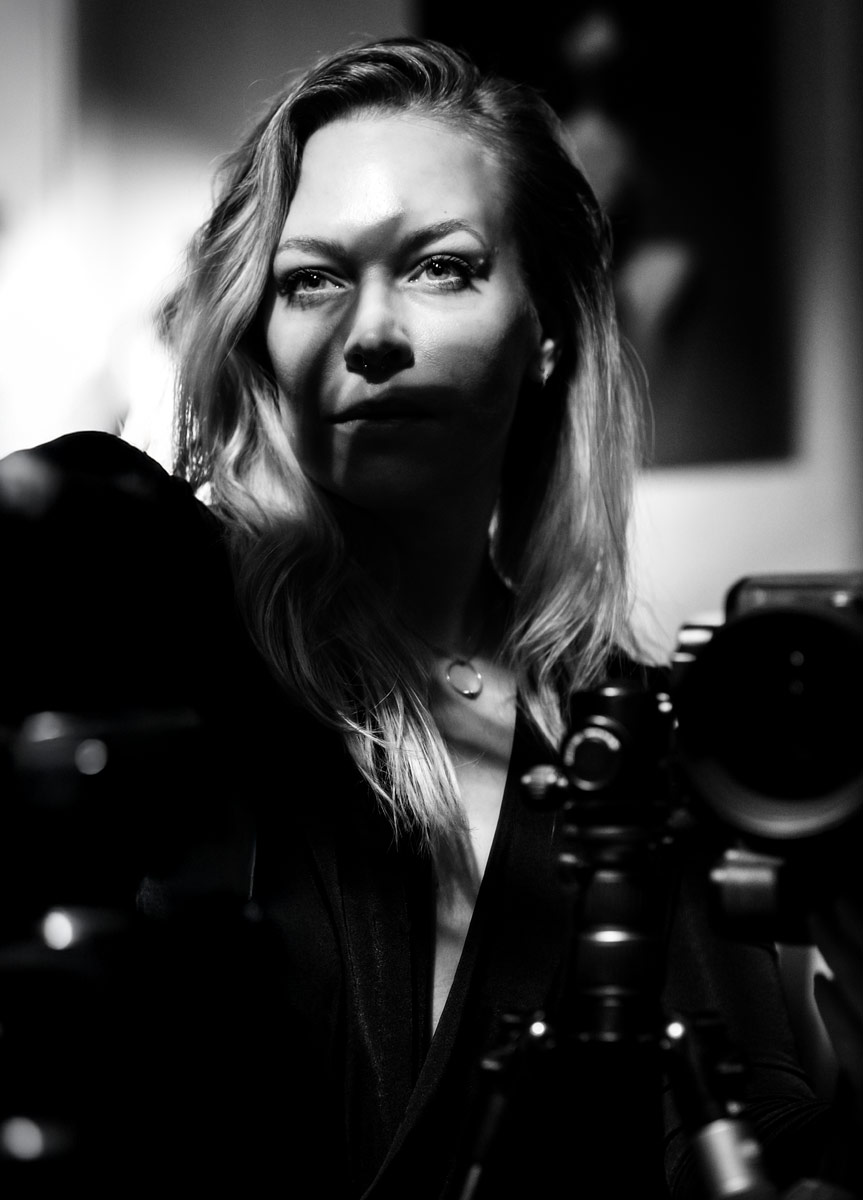
Hey, I am Sabine / sabinefey, photographer, self-portrait photo artist and graphic designer based in Germany. Since 2008 I’ve been exploring experimental self-portrait photography using light, projection, fog, movement, and surface interventions like oil-on-glass to translate inner states into visual form.
Equipment: Nikon D850/D750 · Sigma 35mm & 50mm f/1.4 Art
Discover new self portrait photography projects, behind-the-scenes insights, and visual experiments. For collaborations, exhibitions, interviews, print requests or creative exchange, feel free to get in touch: hello@phoenixstudios.de